
Abraham: Patriarch and Warrior [Canon Chronicles #1]
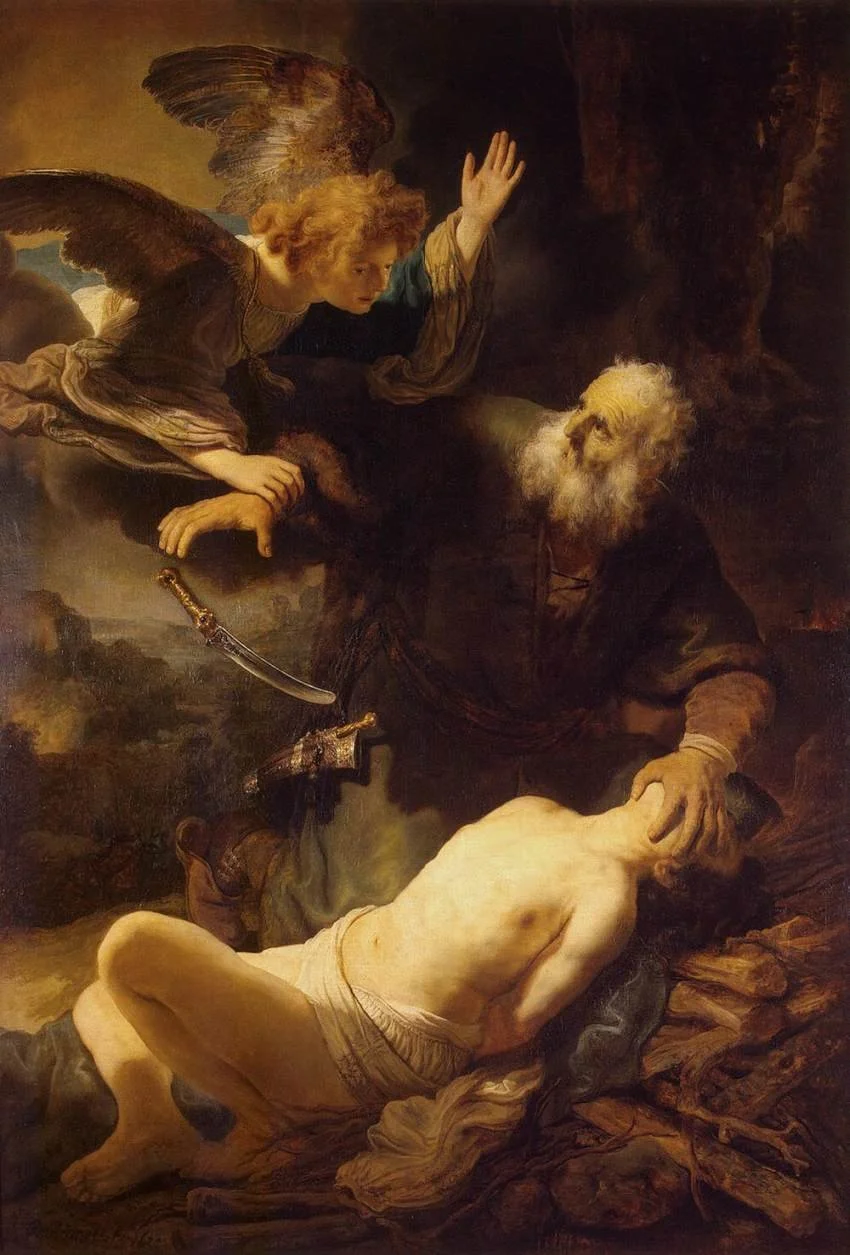
Abram, later known as Abraham, is one of the most recognizable figures in the Bible. While he is remembered as a fair and wise patriarch, he was also a warrior of great renown and a brilliant general who helped God’s Chosen People reach the Promised Land.
His whole trip from Ur to Canaan is one of the greatest feats of military history. Though some details are missing, some details are debated, and some must be inferred from Googling historical places he visited in Genesis 11:27–Genesis 25:1, it is clear that the entire expedition was done with care and craftiness.
Now, let us delve into this admirable side of the story - his journey.
From Ur to Canaan
God has called Abram to the promised land, but his movements followed the migratory patterns of contemporary Bronze Age nomadic groups such as the Amorites and Chaldeans. Whether driven by seasonal changes, famine, or political and economic disruptions, his journey began in Ur (now modern-day Turkey/Iraq) and led to Canaan, the fertile crossroad linking Mycenaean Greece, Egypt, and Mesopotamia by trade and cross-cultural exchanges.
Let us remind ourselves that the Bible often highlights the strides of men as they rose to prominence. The fact that we have heard of no major issues in this part of the journey suggests that Abraham and his caravan handled things very well. While the Bible does not give specific details, in the ancient era, any 1,000-mile-long trip through hostile terrain, such as his trek from Ur to Canaan, was difficult to pull off. For him and his family and servants to survive it with barely any losses attests to his incredible leadership and foresight.
How Did Abraham Pull It Off?
Abraham and his family likely lived off flocks and herds that traveled with the caravan. Their belongings were most likely carried by pack animals such as horses, donkeys, oxen, and camels. They may have dealt in trade of necessities (wood, herbs, and other foreign properties).
We can infer that they all walked on foot. Most overland travel in ancient times was done by people and animals walking; roads were primitive, and travel was slow, as described in Travel in the Ancient Near East (BiblicalTraining).
During the Bronze Age, horses had yet to evolve to their modern counterparts and were thus ill-suited as war mounts. Cavalry did not become common until the Neo-Assyrian period, although small chariot units may have existed earlier (Sullivan, The First Cavalries in the Ancient Near East).
Abraham’s caravan, including his wife Sarah, his nephew Lot, their servants and retainers, livestock, and allied clans, likely possessed prior knowledge of the local geography and seasonal patterns. This enables them to travel efficiently across the arid Mesopotamian plains and into the semi-fertile Levant. In these regions, hot, dry summers contrasted with mild, wetter winters shaped by Mediterranean influences and the flooding of the Euphrates.
The Bible does not mention extreme heat or thirst, suggesting they planned their route around known wells, oases, rivers, and fields to stay well-provisioned. During blistering conditions under piercing hot days, they traveled at night. The lack of any conflict in the journey implied they carefully avoided potential blind spots.
Whether by luck or foresight, Abram escaped Canaan before famine struck his family. There were no recorded casualties or losses. It was not until he reached Egypt, hundreds of kilometers away, that they faced the threat of armed conflict.
To Egypt and then back to Canaan
Abraham presented Sarah as his sister when they entered Egypt, leading the Pharaoh to take her into his household and bring blessings upon Abraham. God then afflicted the Pharaoh’s house with plagues, revealing the truth and prompting the monarch to return Sarah to Abraham and send him away with his wife, Sarah, unharmed. Using sheer word of mouth as a warning system, plus inherent wisdom, Abraham acted decisively before the plague claimed the lives of his kin and followers.
He left with his retinue and reached a freshly recovered Caanan in one piece. His timing and preparation may have saved his family from two very dangerous situations, which may attest to a well-developed intelligence system involving fellow merchants and locals.
His Crowning Achievement
Some time after Abraham and his nephew Lot parted ways, the latter was captured by the Elamites following their victory over Sodom and Gomorrah. Abraham quickly learned of Lot’s location through a witness; he then tracked the Elamite army.
Burdened by heavy loot and restricted by their wagons, the Elamites crept along a sun-bleached trade road skirting rocky highlands and narrow wadis (possibly Via Maris or King’s Road) when, amid jagged hills, dark ravines, and moonlit valleys, they were pounced upon by Abraham’s 300 men attacking from multiple directions.
Abraham succeeded in overtaking them by traveling light, moving in small groups, marching day and night, and cutting through the hills and woods along the Elamite route. Classic Caesar celeritas!
Having concluded one of the greatest rescue and pursuit operations in history done by an old man in his 80s, Abraham was met by the King of Salem, Melchizedek, who, perhaps in recognition of the growing fame of the victor, blessed him, and Abraham gave him a tenth of the spoils. He then refused the king of Sodom’s offer to keep the captured goods, insisting he would not profit from the rescue.
Abraham returned to a quiet, mostly uneventful life in his final years. He eventually fathered additional children, most notably Isaac. Through Isaac, Abraham’s covenantal legacy continued, as Isaac became the heir of Abraham’s covenant.
Abraham was an old man in his seventies when God called him to leave the land he had always known. The road ahead was uncertain, the journey long, and the dangers of migration real. Many would have refused, believing they were too late in life to begin again.
Yet Abraham chose trust over fear. He did not waste the gifts he had been given, nor did he allow his age to become an excuse. He followed God’s guidance and made wise use of every opportunity placed before him. In time, Abraham and his people found new homes and new beginnings.
Abraham personified the truth that while mercy belongs to God, action belongs to man. In Tagalog, we say, “Nasa Diyos ang awa, nasa tao ang gawa.”
Canon Chronicles details the lives of well-known historical figures in the Bible and in the Catholic Canon.