
The Enduring Power of Cursive Writing in a Digital World
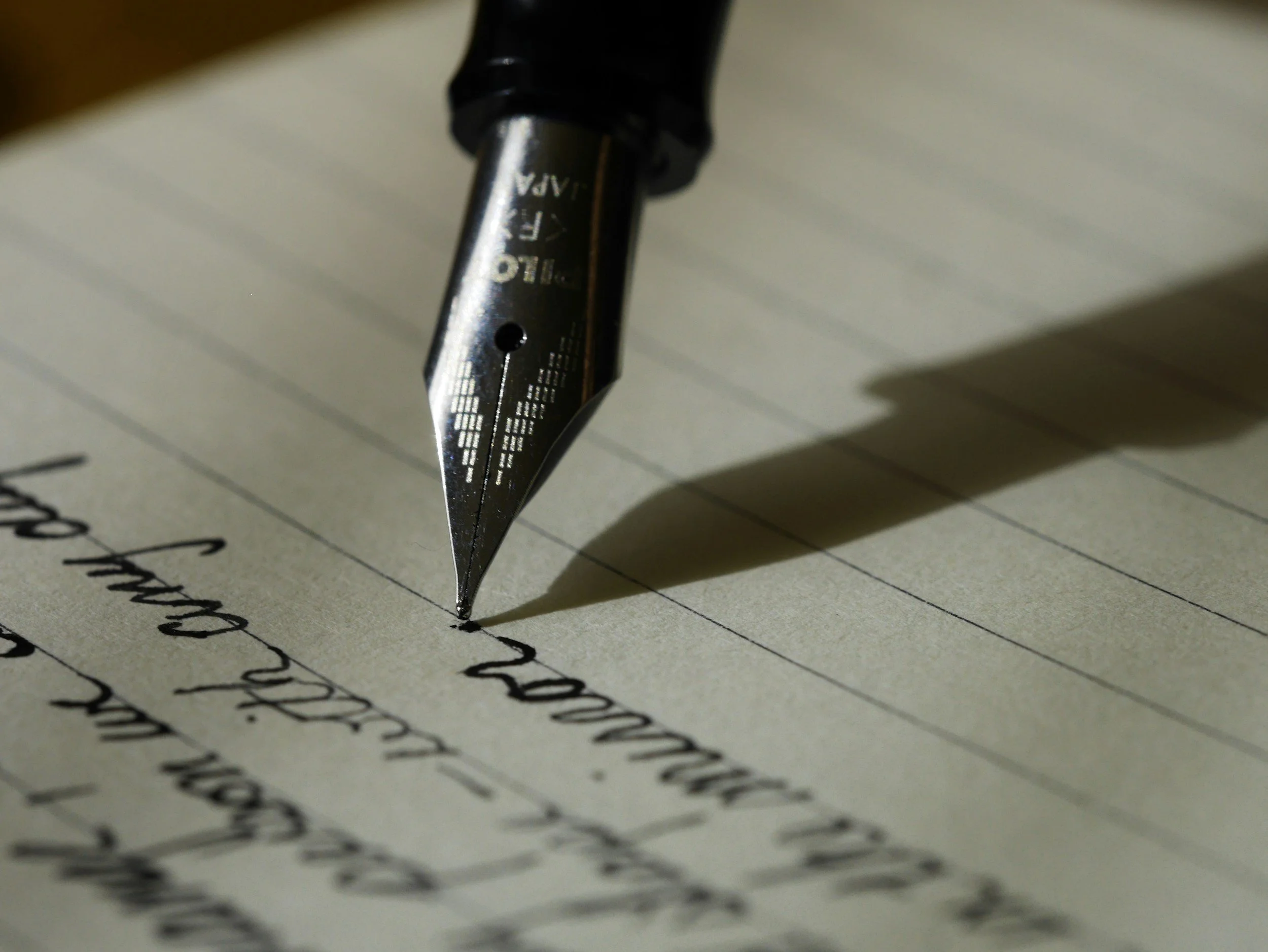
In a time when nearly everything is typed, tapped, or dictated, it is easy to assume that handwriting—especially cursive writing—belongs to the past. Yet, despite the glow of screens and the speed of keyboards, the pen still holds a quiet but powerful place in human expression. Handwriting, far from obsolete, remains one of the most profound ways we think, learn, and connect.
For thousands of years, handwriting has been civilization’s heartbeat. Without it, the sacred texts that shaped faith, culture, and law might never have survived. The Bible, the writings of Aristotle and Plato, and Saint Augustine’s Confessions—each of these treasures depended on the steady hands of scribes. When Saint Thomas Aquinas wrote his Summa Theologica, he wasn’t just recording theology; he was shaping the intellectual heritage of the Western world through ink and parchment. The very act of writing by hand became an act of preservation—a bridge between generations.
Handwriting marked a leap from the oral traditions of tribes to the written record of civilization. It transformed thought into something permanent and transmissible. Catholic missionaries understood this deeply. When they encountered new cultures, they often created written alphabets so they could translate prayers, catechisms, and Scripture into local languages. In doing so, they elevated cultures into the realm of recorded history.
But today, in our hyper-digital age, the beauty and value of handwriting seem to fade under the glare of our screens. Notes are typed, signatures are digital, and even personal letters have become emails or text messages. Many schools have stopped teaching cursive altogether, seeing it as a relic of the past. Yet the truth is that cursive writing remains an art form and a deeply human one.
Cursive is not just about forming letters; it’s about forming identity. Every loop and curve is as unique as a fingerprint. A handwritten letter carries warmth, personality, and sincerity—qualities that pixels and fonts cannot replicate. A typed thank-you card, no matter how polished, lacks the intimacy of ink that reveals the rhythm of one’s hand and heart. Cursive writing humanizes communication in an increasingly impersonal world.
Beyond aesthetics, handwriting is also a neurological exercise that engages the brain in powerful ways. Studies by Norwegian neuroscientists Frederikus Ruud van der Weel and Audrey van der Meer reveal that handwriting activates more regions of the brain associated with memory and learning than typing does. The tactile movement of shaping letters by hand forges deeper cognitive connections, enhancing comprehension and recall. When we write by hand, we do not just record information—we internalize it.
I must admit, my own cursive writing has declined over the years, replaced by hurried typing and text messages. Yet whenever I pick up a pen, I rediscover a different pace of thinking—a slower, more reflective rhythm that digital tools rarely allow. The letters may wobble, but they carry a sense of presence. Each stroke feels deliberate, grounded, and mindful.
In a world obsessed with efficiency, cursive writing reminds us that not everything meaningful should be rushed. It is a quiet protest against uniformity, a celebration of individuality, and a return to the tangible. So yes, handwriting—especially cursive—still has a place. It remains a timeless human art, connecting the mind, heart, and history through the simple beauty of ink on paper.
Jerome Babate, PhD, MBA, RN, LCLP, is a nurse leader and deeply conservative Catholic based in Sydney. He enjoys teaching catechism at his parish in South Sydney, where faith and service intertwine. He is affiliated with universities in Australia and the Philippines. Dr. Babate publishes in leading academic journals and contributes to mainstream newspapers in the UAE, Philippines, UK, and Australia.