
Making Sense of the Literacy Crisis: Notes from a Lecturer
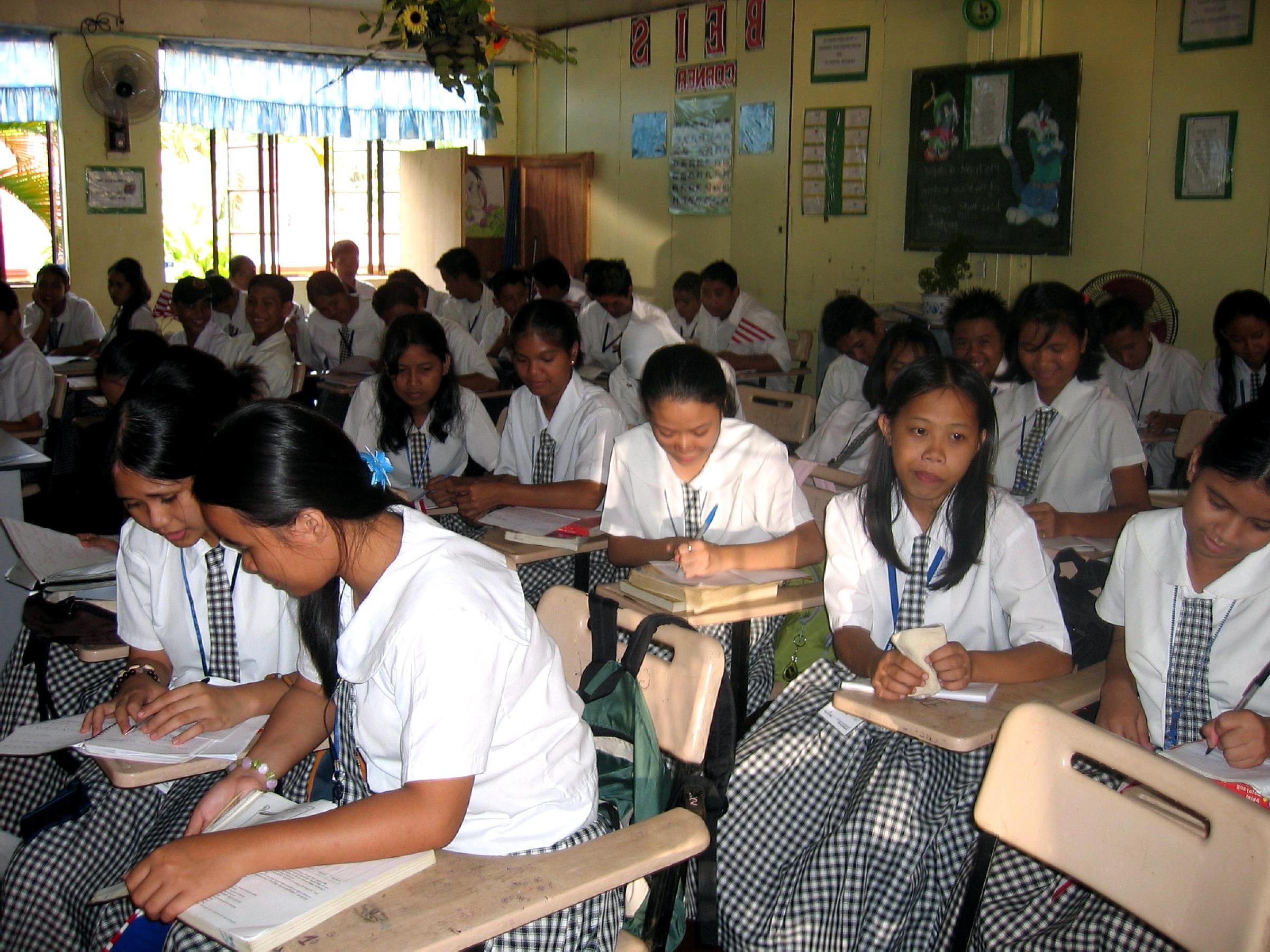
There was a recent audit by the Second Congressional Commission on Education (EDCOM 2) on the quality and competence of our educational facilities. As always, the results are no longer a shocker. From a 30% proficiency at Grade 3, it plummets further to less than 0.47% by Grade 12. Naturally, the most obvious question is how to arrest this nightmare. The lesser, and more whispered rumination, however, speaks a different story: Is this merely a symptom of a wider civilizational malaise taking root across the nation?
But the reason why I care neither to affirm nor contest the official dogma—be it safe spaces, ESG, sustainable development, civics, or desperate calls for critical thinking—as a university lecturer is simple: nobody does it with a serious face anymore. The difference is that I am self-aware, while others are not. This self-awareness consists in coming to terms with the social order's terminal phase and its collapse long before anyone begins to reckon with them.
In the Philippines, we are seeing the decline of the practice of blaming anything and everything on corruption. We see people taking quizzes to find out where they fall within the four quadrants of the political compass (authoritarian/libertarian, left/right) to either debate with random people online, join the usual activist causes, or check out entirely. The former are sincere, yet they rely on old coordinates which no longer scan the terrain effectively. The latter, on the other hand, pass through the radar completely. It is the latter who make discourse more interesting. Why so?
A typical university student's intellectual diet consists of pop culture, memes, anime, influencer commentary, TikTok clips, and conspiracies. They may even dabble in LGBTQ zeitgeists, the occult, and other "Joe Rogan adjacent" topics. The reason is apparent. Akin to contemporary America, both the Japan of the Bakumatsu period and the late Soviet Union had people who not only took their civilizations for granted but also viewed anyone eager to learn the official ideology as a creep or a pervert.
Alexander Dugin, for one, flirted with neo-Nazism, punk aesthetics, gang violence, and transgression within the archives of the KGB. Nobody believed in the Soviet Union anymore, including the hardliners, who then went on to devour esoteric literature and conspiracy theories. In fact, the popular revival of Stalinism in the nineties can be regarded as a reaction to both the hollow bankruptcy of the former Soviet state and the apparent weakness of its successor under Yeltsin.
Therefore, how do we bridge the gap? Or as old pop culture would put it, how do I reach these kids? We should neither pander nor grovel. Rather, we must introduce dialectics—the theory and practice of uncovering and dredging opposition and contradiction in all visible phenomena—like a cannonball and tie it in relation to what today's youth see in popular culture, while at the same time exposing them to dissident currents and heterodox fringes (and even the term "deep state"). Our role is like that of an arms dealer rather than someone who constantly wags their finger.
A schizoid babbling about underground military bases, secret cabals, and space lasers ironically has a better materialist grasp of what is going on than many self-proclaimed materialists. Educated people laugh at them and refuse to dig deeper into whether their statements have any kernel of truth, yet they are always the first to flinch the moment someone questions their hysteria about disinformation, Russiagate, and fake news. Their excuses become little more than coping mechanisms.
Likewise, the ordinary person outside the university setting is more likely to yap about the decadence of the ruling class than read ethics, since the former is highly observable. What they lack are the means and opportunities—often withheld by the gatekeepers—to clarify and make sense of the rot at the top in order to finally get rid of it altogether. This will come to fruition through a combination of intensive counter-narratives from dissident currents and, above all, the recognition of their lived experiences.
As a concrete example, Kamanggagawa's leftist populism—centered around the dissolution of the Manila-provincial wage divide—works because its agenda appeals directly to everyone's common sense and gut instinct. One does not need to read Althusser, Gramsci, or Marx to understand that such a wage divide keeps everybody down.
Hence, one can likely see more efflorescence among those who have checked out than among those committed to partisan fistfights. At this point, anyone who wants to start their political journey with the Constitution or law may find themselves at a disadvantage. Today's academia—including our Marxist critics—is still only beginning to grapple with this glaring dilemma. And all of these developments make total sense, as they signal that a new cycle is arriving from the tottering old debris.