
More than Speculation: The Vision of Philosophy
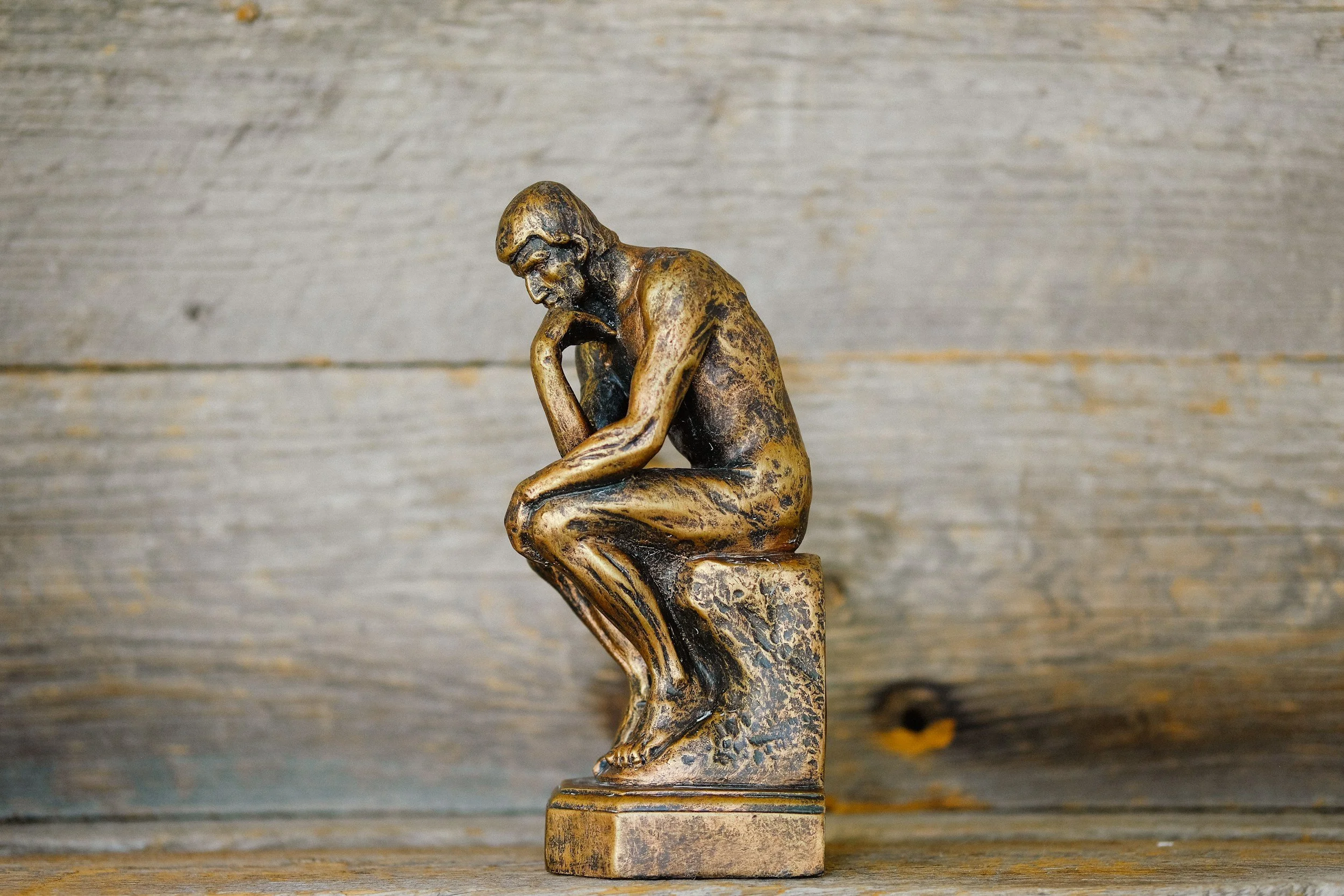
When you hear the word “philosophy,” what comes into your mind? Difficult books, complicated ideas, or probably endless debates. Many think philosophy only belongs in classrooms and universities. Yet in its original meaning, philosophy was never meant to remain only in books, nor was it intended merely to become an academic discipline or a title one acquires. Philosophy means “love of wisdom,” and wisdom is meant to be lived not merely discussed or speculated upon.
In its deepest sense, philosophy is not simply about knowing more, but about living better. It is a way of life, a matter of thinking and doing; for thought without action becomes empty idealism, while action without reflection becomes blind impulse. True philosophy requires both.
Non-philosophy students might have encountered the famous quote of Socrates written by his pupil Plato (1986) in the Apology: “the unexamined life is not worth living.” But how can we put this in action? To examine life means refusing to accept anything blindly. It calls us to examine ourselves, our beliefs, our actions, and even the assumptions we inherit from society. Philosophy therefore is not merely intellectual entertainment; it is the discipline of learning how to think truthfully and live responsibly. As Saint Augustine (n.d.) writes in the Confessions, “You have made us for Yourself, O Lord, and our hearts are restless until it rests in You.” The human person does not merely seek knowledge, but truth, meaning, and ultimately God himself.
This may sound intimidating, but philosophy begins in ordinary life. In the Philippines, we constantly encounter beliefs that are rarely examined: superstition, propaganda, fake news, prejudice, and blind hatred toward those who are different from us. Many people inherit opinions without ever asking whether these opinions are true, just, or even humane.
To speak locally, here in Zamboanga City, some people within the Chavacano-speaking community may unintentionally foster attitudes of cultural superiority over non-Zamboanguenos, insisting that others must speak Chavacano or implying that the city belongs only to them. Yet such thinking ignores the very history of Zamboanga itself. The city is a symphony of cultures: Subanens, Tausug, Sama, Yakan, Cebuano, and many others. Its beauty does not come from one culture dominating the rest, but from different people contributing to a shared identity and history.
Despite this rich diversity, many within the Christian majority still struggle to show sensitivity, openness, and appreciation towards those who are different from them. This may seem more like a social commentary than a philosophical reflection, but in truth, it is deeply philosophical because prejudice often begins where reflection ends. When people no longer examine their beliefs, inherited biases slowly become normalized as truth. A lack of reflection eventually hardens into prejudice, arrogance, and even hatred. From a Catholic perspective, this also reflects a failure to recognize the dignity of every human person created in the image of God (Gen 1:27).
This is why philosophy remains important today. Philosophy teaches us to pause before judging, to think before speaking, and to seek truth rather than merely repeat popular opinions. In this sense, philosophy is not detached from daily life; it shapes how we treat people, how we understand society, and even how we live our faith. This spirit of reflection is also found in Ignatian spirituality, which teaches discernment and the careful examination of one’s thoughts, actions, and motivations before God.
Søren Kierkegaard (1959) once wrote: “Life can only be understood backwards; but it must be lived forward.” Human beings often realize the truth only after reflecting upon their experiences, mistakes, and actions. Philosophy therefore invites us into deeper self-awareness, allowing us to move forward with greater wisdom, humility and compassion.
In the end, philosophy is not only for scholars or classrooms. Every person who sincerely seeks truth, reflects upon life, and strives to live wisely already participates in philosophy. In a world filled with noise, prejudice, and shallow thinking, philosophy reminds us to become more reflective, more humane, and more compassionate. For the Catholic Christian, true wisdom is not merely found in ideas, but in a life directed toward truth, goodness, and ultimately toward God.
References
Plato. (1986). The dialogues of Plato (E. Segal, Ed.). Bantam Classics.
Saint Augustine. (n.d.). Confessions. In New Advent. Retrieved May 29, 2026 from https://www.newadvent.org/fathers/110101.htm
Kierkegaard, S. (1959). The journals of Søren Kierkegaard (A. Dru, Trans.). Oxford University Press.
Rhey John Punding received his Bachelor of Arts in Philosophy from the Ateneo de Zamboanga University. His interests include contemporary and Eastern philosophy.