
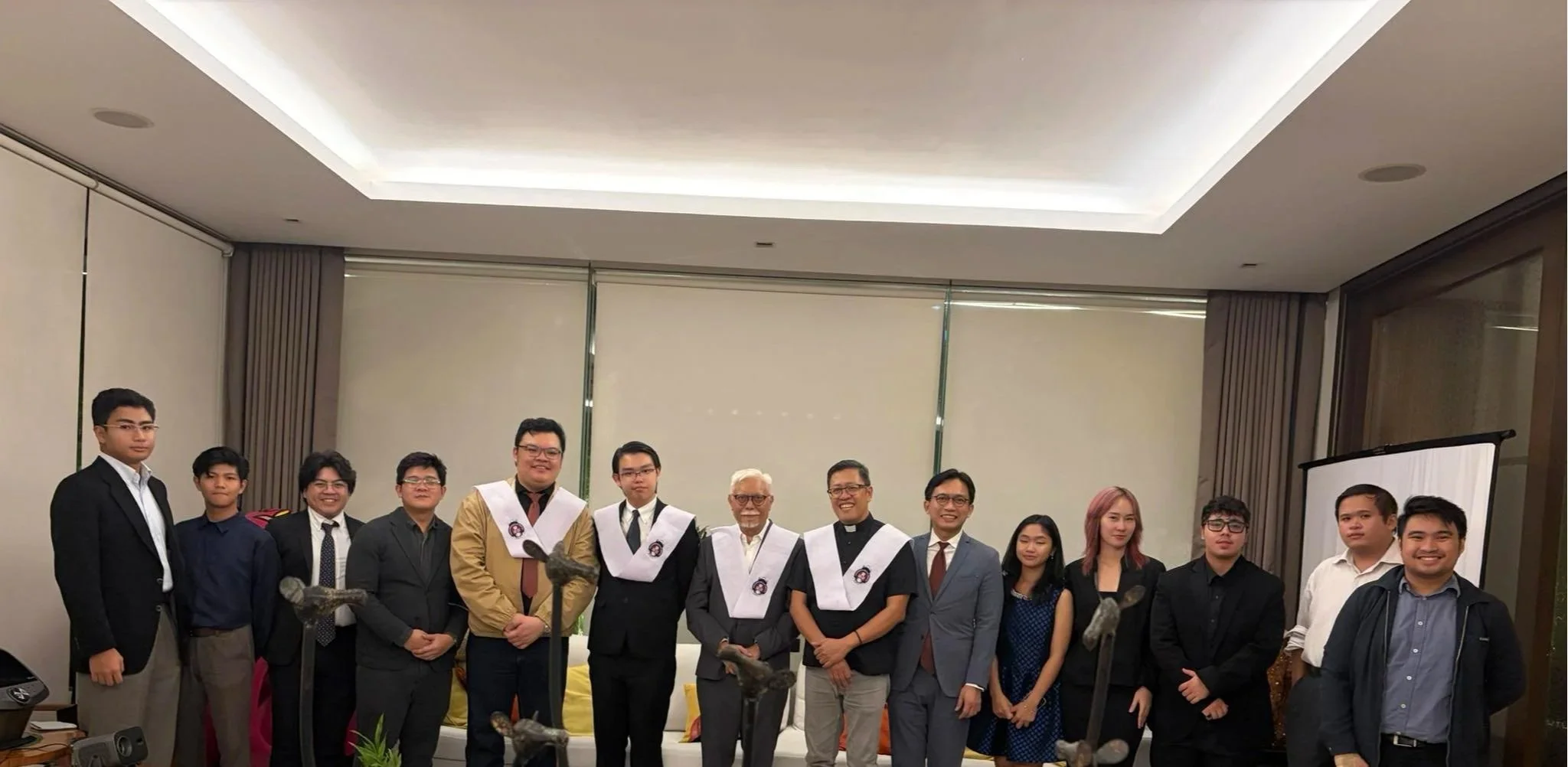
Why Perula Orientis?
Existing educational institutions no longer suffice to guarantee the formation of today’s Catholic leaders.
A great deal of Catholic universities have effectively become secularized, as many Catholic universities fail to effectively synthesize the various fields and disciplines in light of Christian revelation. The excessive specialization of academia, combined with the loss of a generalist formation properly rooted in classical Christian culture, has led to a superficial appreciation of the Faith on the part of many students and faculty members.
Because of this, many Catholics, including graduates from elite universities, often leave school unable to integrate the various aspects of their lives—especially family, business and politics—with the Gospel. The practice of the Faith is relegated to one’s personal life, and “woke” ideologies have taken root among students and professionals alike.
We must therefore reinvent Catholic education in order to meet twenty-first-century challenges.
In the eyes of the educational bureaucracy, education is little more than the mass training of the system’s gears and cogs. The emphasis is placed not on the pursuit of Truth or virtue, but on compliance with standardized requirements and adherence to establishment ideologies.
The Collegium Perulae Orientis, on the other hand, believes that education is a lifelong, interpersonal process which allows man to participate in Truth and virtue. Therefore, the emphasis is placed not on compliance with predetermined requirements, but on personalized, integral formation.
We must therefore reinvent Catholic education in order to meet twenty-first-century challenges.
In the eyes of the educational bureaucracy, education is little more than the mass training of the system’s gears and cogs. The emphasis is placed not on the pursuit of Truth or virtue, but on compliance with standardized requirements and adherence to establishment ideologies.
The Collegium Perulae Orientis, on the other hand, believes that education is a lifelong, interpersonal process which allows man to participate in Truth and virtue. Therefore, the emphasis is placed not on compliance with predetermined requirements, but on personalized, integral formation.
The Collegium, therefore, exists in order to form eminent men and women capable of making great and noble contributions to the common good of Philippine society in accordance with the Gospel.
We believe that education has an inherent political significance: to form virtuous leaders who can engage in public life in accordance with the Divine intention. This demands that special attention be given to personalized mentorship as well as formation programs centered around interpersonal relationships and interactive discourse.
But such a task must be grounded, first and foremost, on a solid generalist education encompassing philosophy, theology, the liberal arts and political economy. We therefore seek to form in people an authentic universality in competence, a keen appreciation for the fundamental unity behind all realities, and the ability to integrate the various disciplines in light of Divine Revelation.
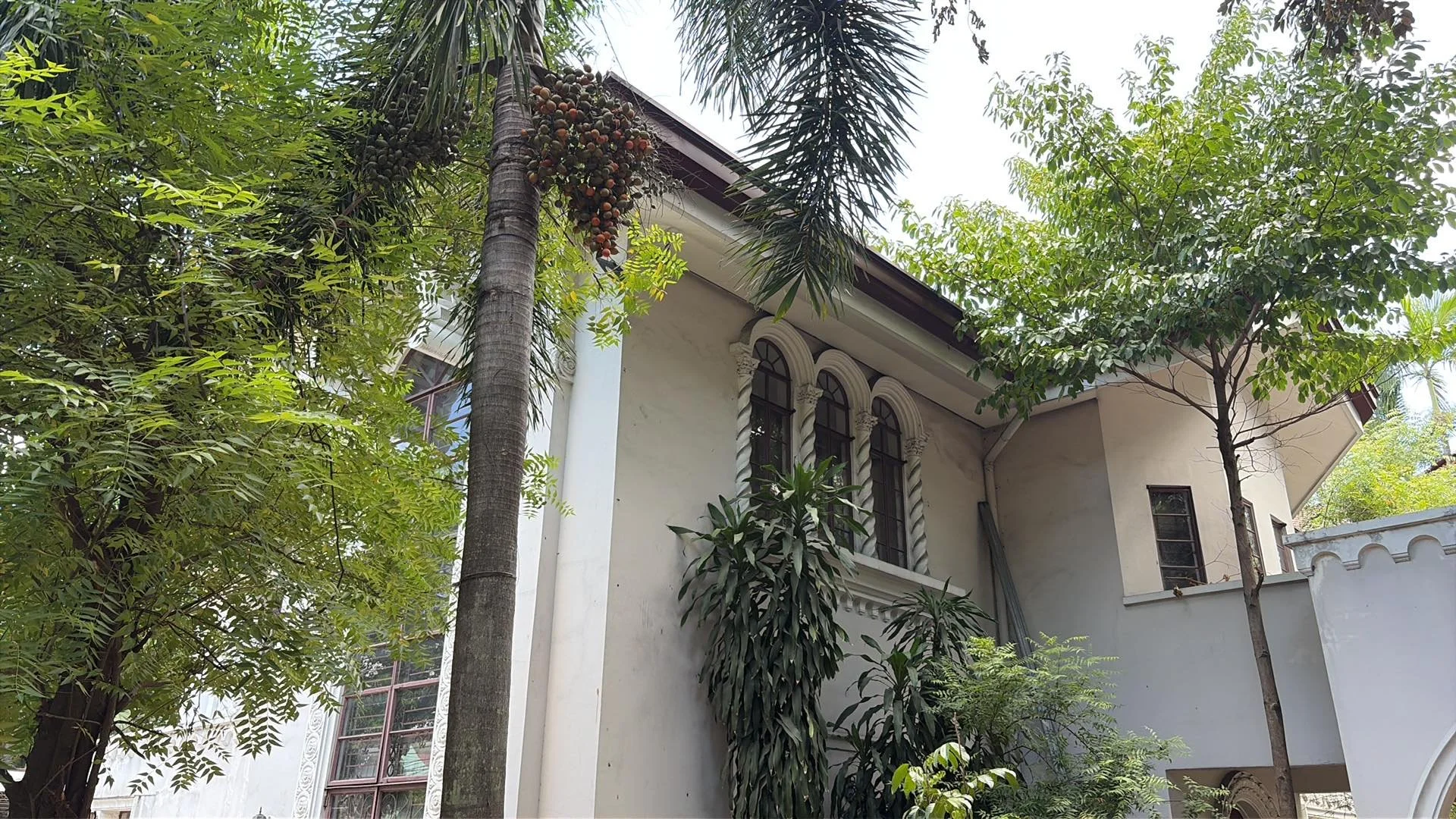
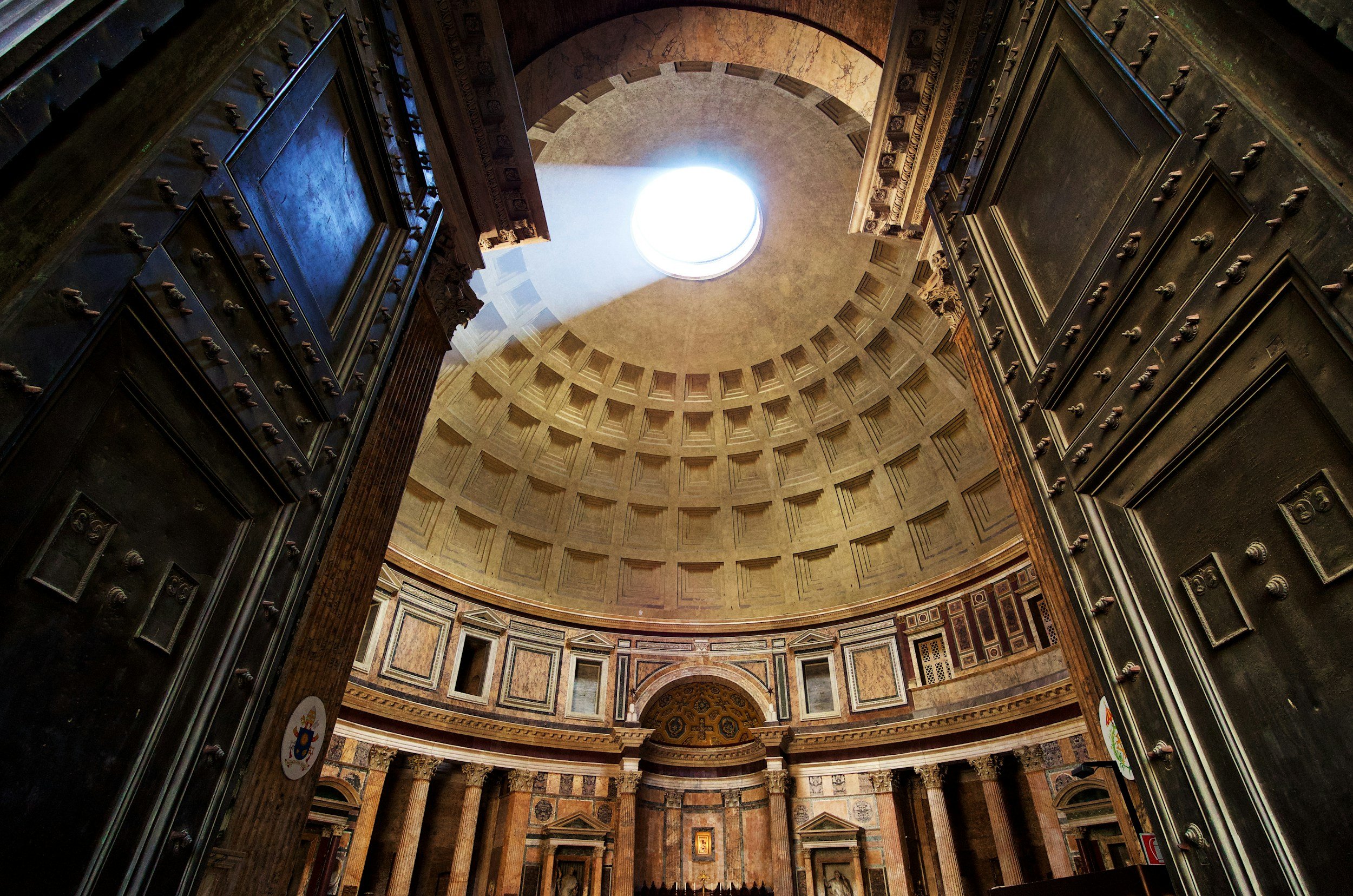
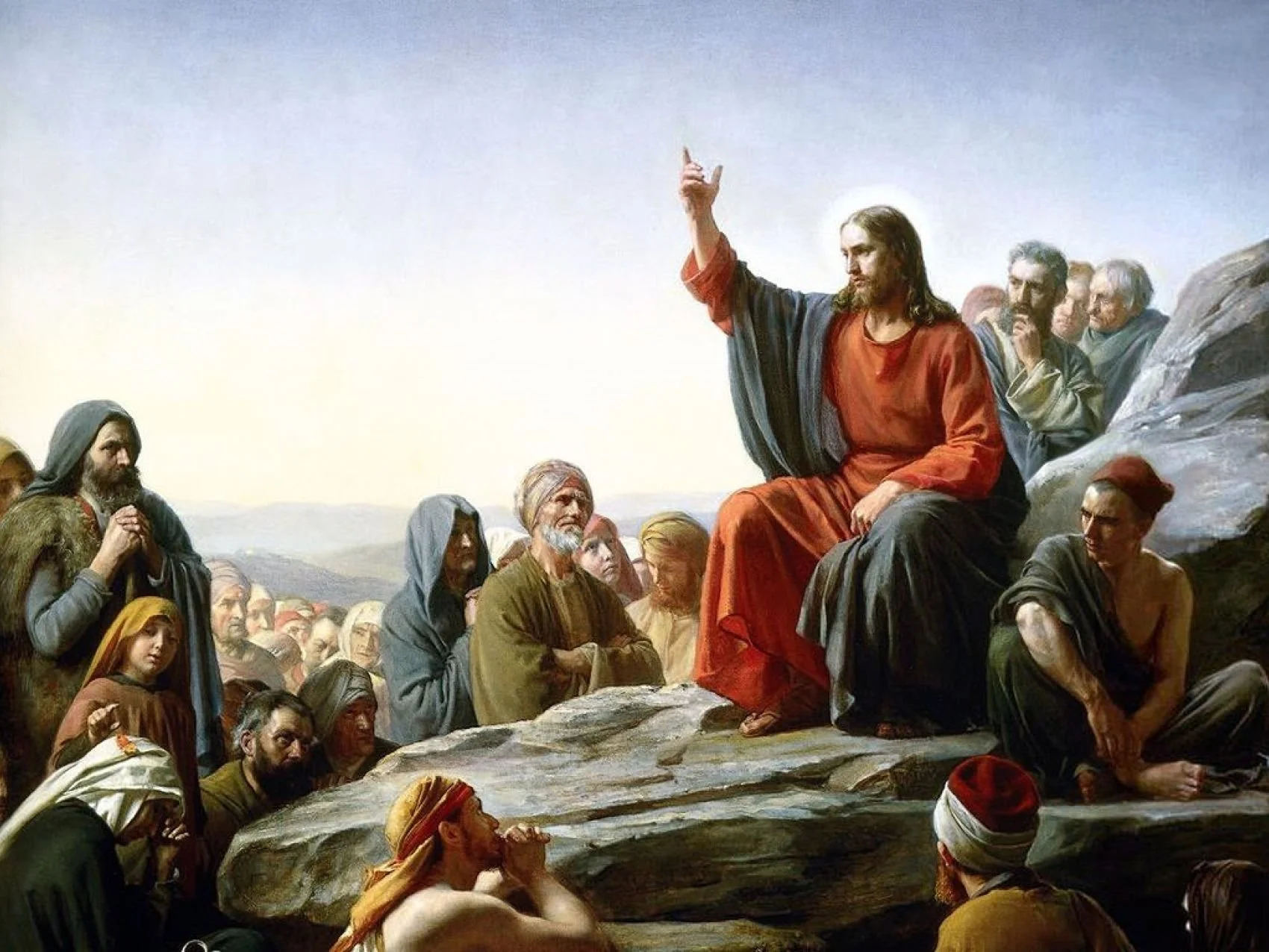
Mission
To form eminent men and women capable of making great and noble contributions to the common good of Philippine society in accordance with the Gospel.
Vision
A robust Catholic leadership capable of developing the social, economic and cultural institutions of the Filipino people towards greater conformity with Jesus Christ.
Principles
The Collegium Perulae Orientis professes institutional fidelity towards the Magisterium of the Catholic Church. It maintains a policy of institutional non-partisanship and does not accept government funding.