
Marian Devotion, Cultural Identity, and Popular Resonance: A Bicolano Catholic Perspective
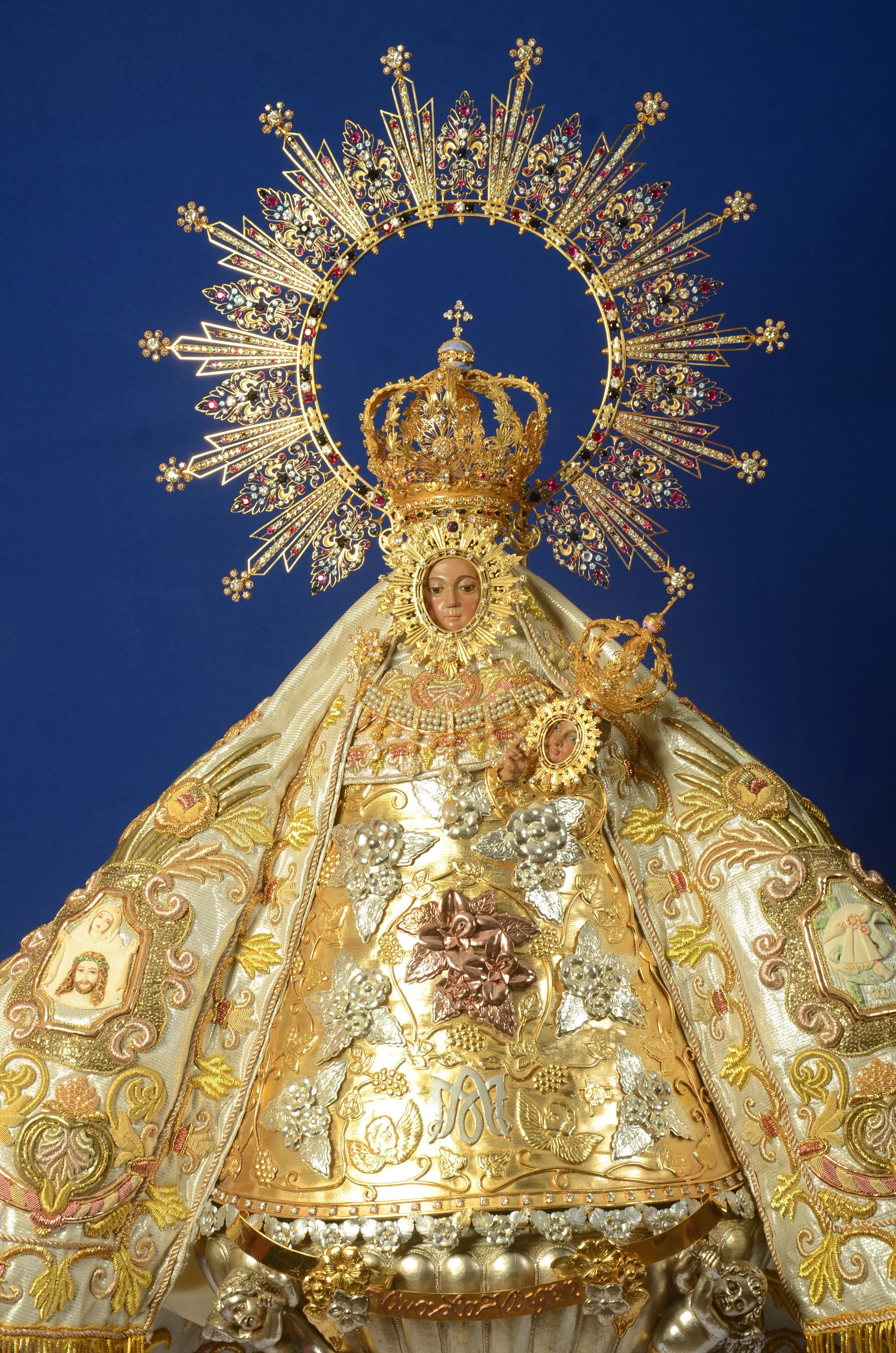
Image: Our Lady of Peñafrancia by JohnPaulAven
Abstract
This essay explores the theological and cultural dimensions of Marian devotion from the perspective of a Bicolano Catholic, specifically through the veneration of the “Nuestra Señora de Peñafrancia” (affectionately known as Ina). By situating this devotion within the ecclesial framework of Lumen Gentium and Redemptoris Mater, and bridging it with the cultural resonance of Paul McCartney’s “Let It Be,” I argue that Marian devotion is more than a set of dogmas; it is a lived spirituality that shapes the religious imagination. By integrating reflections on stewardship and biblical exegesis, the essay reveals Mary’s capacity to shape faith, identity, and ecological responsibility in the modern world.
Introduction: The Heart of a Devotee
For a Bicolano Catholic, Marian devotion is not a mere cultural artifact; it is a vital theological reality that defines our very sense of self. To us, the title Ina—Mother—is not a formal honorific but an expression of profound intimacy and trust. She is a maternal presence woven into the fabric of our everyday lives.
However, this intimacy must be matched by a mature faith that distinguishes between popular myth and spiritual truth. During the feast of Peñafrancia, a prevailing belief suggests that it invariably rains because Ina is "cleansing" the river for her arrival. Yet, if we look through the lens of Mary’s humility and maternal care, it is difficult to imagine her desiring a procession at the cost of the vulnerable getting drenched or homes being flooded.
The rainfall of late September is a natural reality of our monsoon season. Recognizing this does not diminish our faith; instead, it invites us to a deeper devotion that moves beyond superstition toward stewardship. If we truly desire the Naga River to remain deep and navigable for her passage, our faith must move us to protect the Bicol River Basin and the forests of Mount Isarog. In the Bicolano heart, the miracles belong to Ina, but the work of protecting her home belongs to us. This lived experience demonstrates how faith becomes incarnated within a particular people—calling us to be both pilgrims and protectors. [1]
The Doctrine of Virginity: A Personal Consolation
The Church’s confession of Mary as Theotokos (God-bearer) underscores her virginity not as a cold biographical detail, but as a truth inseparable from who Christ is. For the devotee, the Virgin Birth affirms that Jesus is truly the Son of God, yet Mary’s perpetual virginity signifies her total, enduring consecration to God’s plan.
As John Paul II emphasizes in Redemptoris Mater, Mary’s fiat is the ultimate act of cooperation with grace. [2] When she said, “Let it be done to me according to your word” (Lk. 1:38), she modeled a discipleship that I recognize as active trust rather than passive submission.
This scriptural "let it be" carries a weight that transcends the walls of the Church. It finds an unexpected echo in the 1969 Beatles classic “Let It Be.” [3] Whether in the quiet of a cathedral or through the speakers of a radio, the language of surrender and hope remains a powerful testament to the Marian spirit’s ability to offer consolation amid life’s uncertainties.
Exegetical Challenge: “The Brothers of Jesus”
As a devotee, I am often met with questions regarding Jesus’ “brothers” (cf. Mt. 13:55–56) as a challenge to Mary’s perpetual virginity. While some traditions read these as biological siblings, our Catholic and Orthodox heritage understands the term adelphos within the wider kinship patterns of the ancient Near East.
This is supported by the Septuagint (LXX)—the Greek Old Testament—where adelphos frequently describes relatives like cousins or nephews (such as the relationship between Abraham and Lot). Furthermore, traditions found in the Protoevangelium of James suggest these were Joseph’s children from a previous marriage. [4] To me, this doctrine is not about biblical literalism but about “Christological coherence.” It safeguards the uniqueness of the Incarnation and honors Mary’s singular vocation as the Mother of our Lord.
Marian Resonance in Popular Culture: “Let It Be”
The cultural weight of McCartney’s “Let It Be” reveals how Marian language continues to move the human heart, even outside of formal religion. McCartney’s vision of his own mother, Mary, offering comfort during a time of distress created a gospel-like anthem that invited a religious interpretation from listeners worldwide. [5]
For Bicolanos, the maternal reassurance we find in Ina mirrors this universal human need for comfort. This convergence shows that Marian symbolism is not a rigid ecclesial boundary but a sign of consolation that speaks to the existential struggles of all people, bridging the gap between the sacred and the secular.
Spiritual Brotherhood and Christ’s Lordship
In our devotion, we find a beautiful but clear distinction. While we look to Mary as our Mother and recognize our shared humanity with Jesus, our prayer life remains anchored in His divinity. As Lumen Gentium reminds us, our devotion to Mary always leads us back to the adoration (latria) reserved for God alone. [6]
This theological balance preserves both “intimacy” and “awe.” We feel close to Jesus because of His Mother, yet we never lose sight of Him as our Lord and Savior. Marian devotion is the pathway that makes our worship of Christ feel like coming home.
Conclusion: Theology as Lived Relationship
In the Bicolano heart, theology becomes lived spirituality. Through Ina, doctrine takes on flesh, prayer becomes a conversation, and faith becomes a relationship. Whether we are defending the perpetual virginity of Mary against exegetical challenges, caring for the river basin as an act of stewardship, or finding peace in the lyrics of a popular song, Mary remains the “ever-virgin Mother” who draws us toward her Son. In her, the “grammar of trust” is made plain, proving that belief finds its truest home when it is felt as much as it is understood.
Notes
Second Vatican Council, Lumen Gentium, Dogmatic Constitution on the Church (1964), §§66–67.
John Paul II, Redemptoris Mater (Vatican City: Libreria Editrice Vaticana, 1987), §13.
Ian MacDonald, Revolution in the Head: The Beatles’ Records and the Sixties (London: Pimlico, 1997), 312–14.
Ronald E. Heine, The Protoevangelium of James and Its Reception History (Oxford: Oxford University Press, 2019), 45–47.
Steve Turner, The Gospel According to the Beatles (Louisville: Westminster John Knox Press, 2006), 178–80.
Second Vatican Council, Lumen Gentium, §67.
Bibliography
Heine, Ronald E. The Protoevangelium of James and Its Reception History. Oxford: Oxford University Press, 2019.
John Paul II. Redemptoris Mater. Vatican City: Libreria Editrice Vaticana, 1987.
MacDonald, Ian. Revolution in the Head: The Beatles’ Records and the Sixties. London: Pimlico, 1997.
Second Vatican Council. Lumen Gentium. Dogmatic Constitution on the Church. 1964.
Turner, Steve. The Gospel According to the Beatles. Louisville: Westminster John Knox Press, 2006.