
The Names That Led to Christ
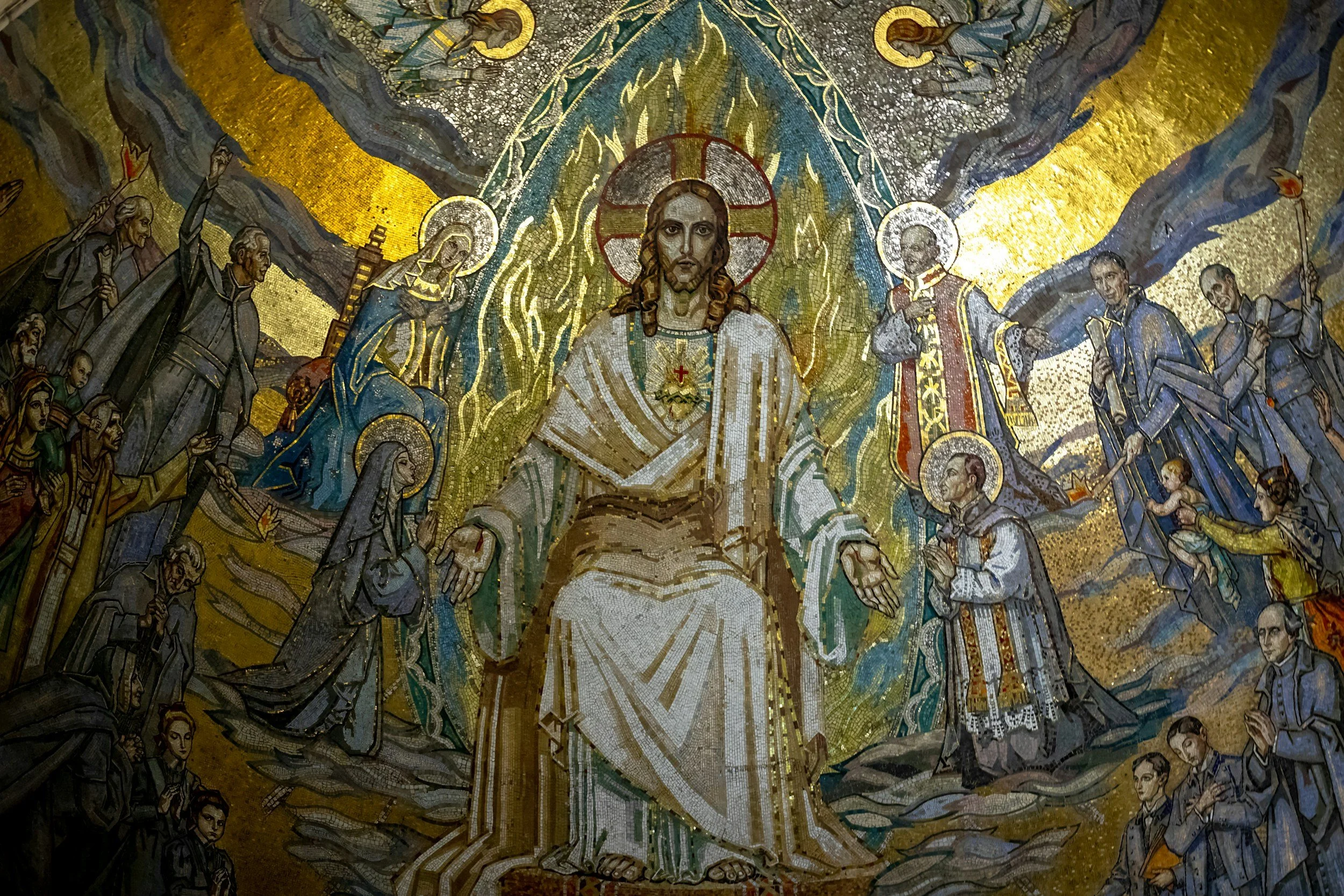
For a long time, I would pass over this chapter almost without noticing it. Matthew's genealogy seemed to me little more than a long and tedious list of unfamiliar names. Unbeknownst to me, the genealogy is one of the crucial details to understand who our Lord Jesus Christ is.
“The book of the genealogy of Jesus Christ, the son of David, the son of Abraham.’ (Matthew 1:1) Pope Benedict XVI writes “two names are of key significance if we are to understand Jesus' provenance: Abraham and David” (Benedict XVI, Jesus of Nazareth, 2012, p. 4). Abraham is known to be the "father of nations" as in the book of Genesis, the Lord declares to him, “your name shall be Abraham; for I have made you the father of a multitude of nations” (Genesis 17:5). David, on the other hand, was the king who received God’s promise of an eternal kingdom “Your throne shall be established forever” (2 Samuel 7:16). Jesus Christ, as the fulfillment of the promises made to Abraham and David, is the eternal promised King for all nations.
Certainly, the genealogy helps us identify where our Lord came from and who his ancestors were. But “Jesus' provenance is both known and unknown, seemingly easy to establish, and yet not exhaustively.” (Pope Benedict XVI, 2012, p.4) Additionally, four women appear in the genealogy: Tamar, Rahab, Ruth, and Bathsheba who is unnamed here. "It has been said that all four women were sinners. Their inclusion indicates that Jesus took upon himself their sins and with them the sins of the world" (Pope Benedict XVI, 2012, p. 6). Jesus does not come from a sanitized, perfect human lineage. He enters a history marked by sin, scandal, foreignness, suffering, and human weakness. Matthew's genealogy answers, in its own way, the question “Who do you say that I am?” Jesus is the promised Son of Abraham and Son of David, but he is also the Messiah who enters a wounded and imperfect human history. His genealogy therefore tells us not only where Jesus came from, but what kind of Savior he is: one who enters our brokenness in order to redeem it.
What then is the overall lesson we get from St. Matthew’s genealogy? An old Christian proverb comes to mind: “God writes straight with crooked lines.” Our Lord’s lineage was far from perfect. It was marked by sinners and imperfect men and women, yet it was precisely through such people that God chose to work our salvation. God is gently reminding us that our sins do not disqualify us from his love. If God could love and work through the imperfect men and women in Christ’s genealogy, then our own brokenness does not place us beyond the reach of his grace. Just like St. Paul writes, “Who shall separate us from the love of Christ?” (Romans 8:35) The Christ who enters a broken human history is the same Christ who enters our broken lives.